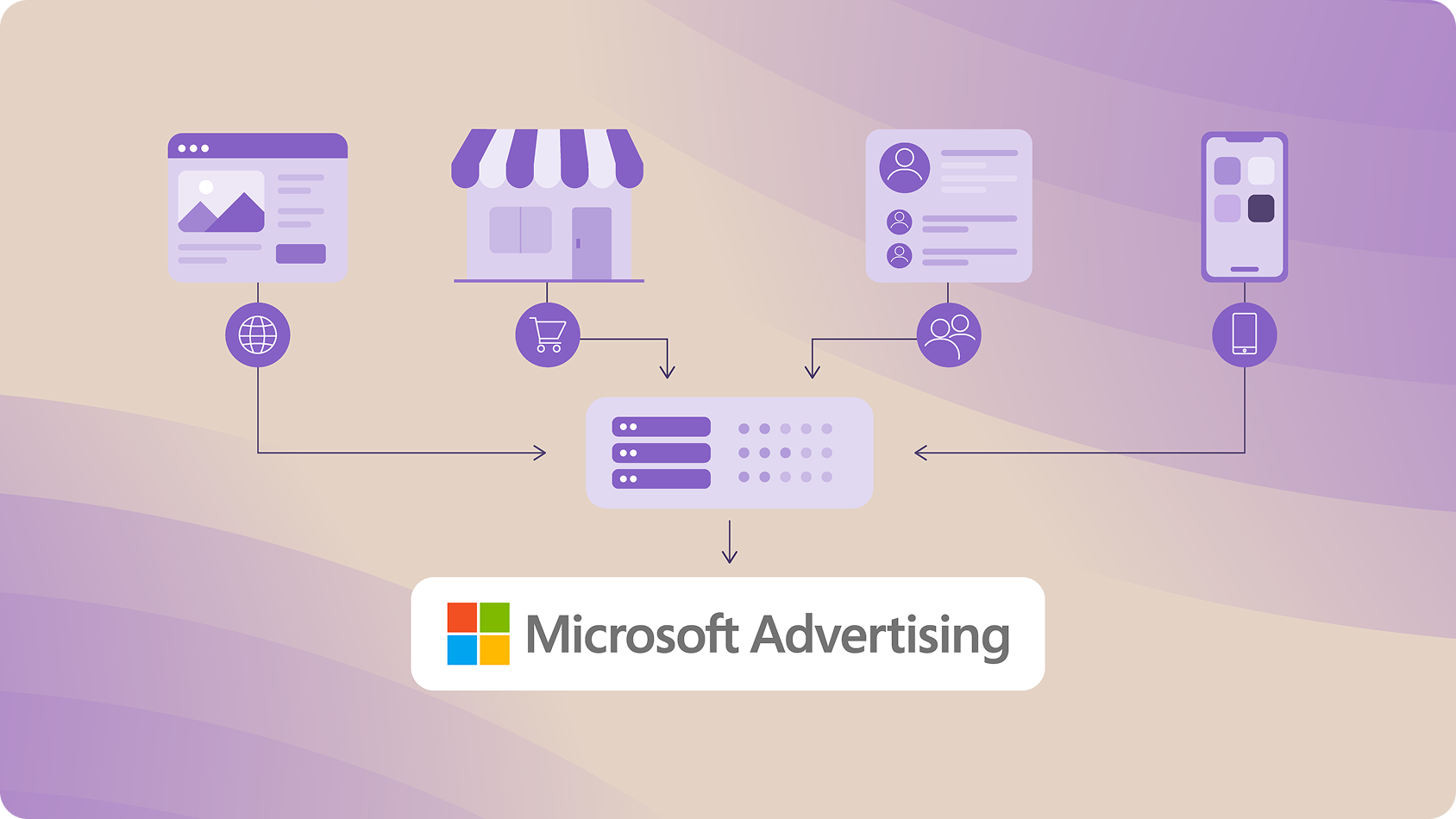
Couchbase Converges The Agent Data Stack Around Operational Data
Couchbase converges agent data stack, simplifying AI workflows. This move may improve agent performance and reduce data inconsistencies.
Original reporting · forrester.com
Read “Couchbase Converges The Agent Data Stack Around Operational Data” at Forrester →
How this was written. The 5:45 Ops Desk wrote this article with a language model from Forrester’s reporting (model: @cf/meta/llama-3.3-70b-instruct-fp8-fast); it describes that reporting rather than adding to it. The original, linked above, is the full story.
Key points from Forrester’s report
- Couchbase is enhancing its operational data platform to support agentic AI workflows
- The company's managed service for agent memory may improve agent performance and reduce data inconsistencies
- Couchbase's standardization of agent access to data and tools may enable more efficient AI application development
- The addition of vector search to Operational Insights may enable more accurate decision-making
- Enterprise leaders must take several steps to effectively implement Couchbase's new capabilities
Couchbase has outlined a strategy to integrate various services into its operational data platform, according to Forrester. This approach may help teams build more efficient AI workflows. By combining multiple capabilities, Couchbase aims to simplify the development of complex AI applications.
Couchbase's operational data platform is becoming a critical component for agentic AI, as it provides the necessary infrastructure for agent context, reasoning, and execution. The platform's new capabilities may enable agents to make more informed decisions. Forrester reported that Couchbase's strategy is designed to support the growing demands of agentic AI.
Couchbase is introducing a managed service for agent memory, which allows developers to manage conversation history and user profiles more effectively. This service may help reduce data inconsistencies and improve agent performance. The managed service includes features such as time-based retrieval and access tracing, providing greater control over agent memory.
The company is also standardizing agent access to data and tools through a managed model context protocol (MCP) server. This protocol may enable agents to access operational data and tools more efficiently. Administrators can configure the protocol to restrict access to sensitive data and tools, ensuring that agents only have the necessary permissions.
Couchbase has added vector search to its Operational Insights service, allowing teams to combine analytical and operational data more easily. This capability may enable agents to make more accurate decisions. The service also supports write-back capabilities, enabling teams to update operational data based on analytical results.
Couchbase's native Amazon Bedrock integration may help reduce the cost of AI model calls. The integration provides pay-per-token access to language and embedding models, which can help optimize AI workflows. Forrester estimates that this integration may lead to significant cost savings for enterprises.
Enterprise leaders must take several steps to effectively implement Couchbase's new capabilities. They must model operational state and decision history, serve context through governed interfaces, and capture write-backs with their provenance. By doing so, they may be able to improve the performance and reliability of their AI applications.
Questions and answers
What is Couchbase's strategy for supporting agentic AI?
Couchbase is converging the agent data stack onto its operational data platform to simplify AI workflows and improve agent performance.
How does Couchbase's managed service for agent memory work?
The managed service allows developers to manage conversation history and user profiles more effectively, with features such as time-based retrieval and access tracing.
What are the benefits of Couchbase's native Amazon Bedrock integration?
The integration provides pay-per-token access to language and embedding models, which can help optimize AI workflows and reduce costs.