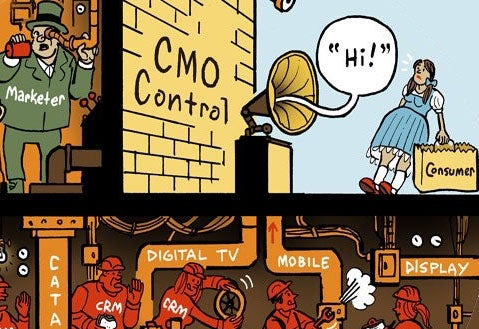
Marketers Update First-Party Data To Reflect Changing Customers
Marketers are working to update their first-party data to reflect changing customer information, according to MarTech. This is necessary because customer data can become outdated over time, making it less effective for marketing purposes.
Original reporting · martech.org
Original: “Your first-party data doesn’t reflect your customer today”
Read “Your first-party data doesn’t reflect your customer today” at MarTech →How this was written. The 5:45 Ops Desk wrote this article with a language model from MarTech’s reporting (model: @cf/meta/llama-3.3-70b-instruct-fp8-fast); it describes that reporting rather than adding to it. The original, linked above, is the full story.
Key points from MarTech’s report
- First-party data can become outdated over time, making it less effective for marketing purposes.
- Consumer intelligence can help add context and fill in missing information to keep first-party data up-to-date.
- A strong identity foundation is necessary to connect customer data to the real person behind it and keep that connection accurate over time.
- Purchase history is only part of the story when it comes to understanding customer behavior.
- Control, portability, and choice are essential for protecting the value of first-party data.
Marketers have invested heavily in first-party data, which is valuable for understanding customer behavior and preferences. However, this data can become outdated as customers' lives and circumstances change, making it less effective for marketing purposes.
First-party data typically captures a customer at a particular moment in time, such as when they sign up for a loyalty program. However, this data may not reflect changes that occur over time, such as a customer moving to a new address or changing their email address.
To keep their first-party data up-to-date, marketers are using consumer intelligence to add context and fill in missing information. This helps brands understand what is happening at the household level and recognize life events that may change customers' needs.
A strong identity foundation is necessary to connect customer data to the real person behind it and keep that connection accurate over time. This allows brands to build a more complete picture of their customers and tailor their marketing efforts accordingly.
Purchase history is only part of the story when it comes to understanding customer behavior. By connecting first-party data with broader household, demographic, and behavioral signals, brands can validate their assumptions and build a more complete picture of their customers.
The source of consumer intelligence is also important, as marketers should look for partners that add value without requiring them to lock their identity strategy or activation into a single platform or vendor ecosystem. Control, portability, and choice are essential for protecting the value of first-party data.
By updating their first-party data and adding context, marketers can get more value from the data they have worked hard to build. This will help them stay relevant as their customers move through their lives and circumstances change. This article is based on reporting by MarTech.
Questions and answers
What is first-party data?
First-party data is information that a brand collects directly from its customers, such as purchase history and contact information.
Why is it important to update first-party data?
It is important to update first-party data because customer information can become outdated over time, making it less effective for marketing purposes.
How can consumer intelligence help with first-party data?
Consumer intelligence can help add context and fill in missing information to keep first-party data up-to-date, and help brands understand what is happening at the household level and recognize life events that may change customers' needs.